Signs You Didn't Get the Job After Interview (2026)
Spot the signs you didn't get the job after interview based on recruiter behavior patterns. No false hope, just actionable next steps.


You aced the prep. You showed up on time. You answered everything clearly. The interview felt… fine. Now you're waiting. And waiting. And that silence is doing things to your brain.
Maybe you're replaying the whole conversation, wondering if "we'll be in touch" was code for "thanks, but no." Maybe you're checking your email compulsively. Maybe you're debating whether to follow up again or just… move on.
Hiring is slow, inconsistent, and often confusing for candidates (even when companies think they're doing it "right").
This post won't give you false hope or vague platitudes. It will walk through the real signs that a role is likely not happening, grounded in actual hiring data and recruiter behavior patterns, plus what to do next if you're in limbo.
Why Hiring Takes Longer Than You Expect
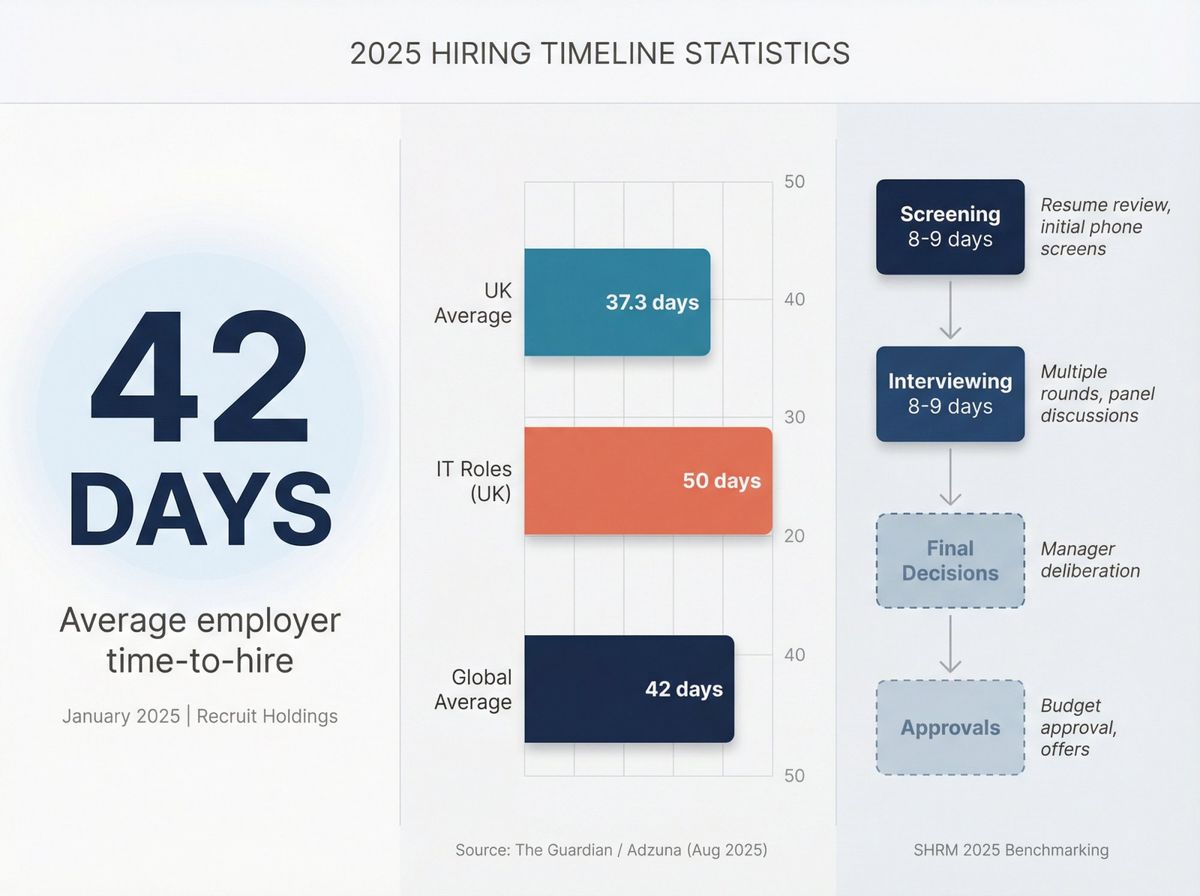
Recruit Holdings' methodology shows the average employer time-to-hire was 42 days in January 2025, measured from job creation date to the first reported hire date.
In the UK, Adzuna data reported by The Guardian showed the average time to fill a role reached 37.3 days in August. IT roles? 50 days.
Indeed Hiring Lab notes that time to hire fell from 2020 to 2022, but has been climbing since. Hiring cycles have become less "instant."
SHRM's 2025 benchmarking press release describes hiring as highly segmented, with screening and interviewing averaging 8 to 9 days each (employer-side), before you even get to final decisions and approvals.
What this means for you:
Silence for a week isn't inherently bad. Many companies are just slow.
But if they gave you a timeline and blew past it with zero communication, that's a red flag (not a dealbreaker, but a flag).
If you're still in consideration, you should get some signal (even if it's just "we're still reviewing" or "timeline shifted").
Use tools like AIApply's Auto Apply to keep your pipeline active while you wait on one role. Relying on a single interview outcome is job-search suicide in 2025.
Clear Signs You Didn't Get the Job
These aren't guarantees, but they're heavily weighted toward "this isn't happening."
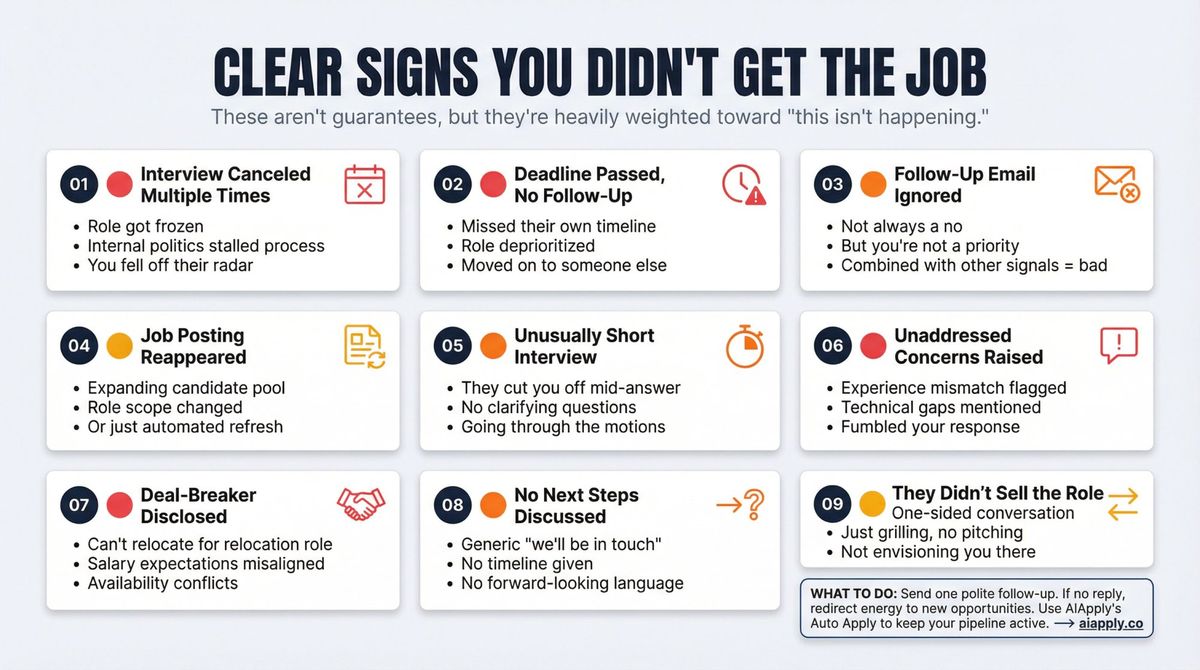
Interview Canceled Multiple Times Then Went Silent
An interview cancellation can happen because a role is no longer available, has been restructured, or funding changed. But when that happens professionally, you get a clear explanation (not ghosting).
What it likely means:
• The role got deprioritized or frozen, and they didn't bother closing the loop with candidates.
• Internal politics stalled the process.
• They decided the role wasn't urgent, and you fell off their radar.
What to do:
Send one polite check-in: "I understand priorities shift. If the role is still active, I'd love to know where things stand. If not, no worries, and I appreciate your time."
If you get no reply, redirect your energy to new opportunities.
Don't waste bandwidth chasing a dead end.
They Gave You a Deadline But Never Followed Up
If they gave you a specific date and then went silent, it's a strong negative signal.
Why this happens:
→ Hiring managers are terrible at managing candidate expectations. They give optimistic timelines that they then miss because of internal delays.
→ The role got deprioritized mid-process.
→ They moved forward with someone else and didn't close the loop.
What to do:
If you followed up once and got silence, move on mentally. If you want closure for your own peace of mind, send one final check-in after their timeline expires. Frame it as:
"Hi [Name], just circling back since we discussed a decision by [date]. If you're still finalizing, no problem. I'd appreciate a quick update when you can. If the role is filled or on hold, I totally understand."
That gives them an easy out while keeping you professional. If they don't reply, that's your answer.
Optimize your application materials with AIApply's AI Resume Checker to ensure every new application you send is ATS-friendly and stands out.
Your Follow-Up Email Was Completely Ignored
This is not always a no, but it's not great. Some hiring managers are genuinely swamped and don't reply to candidate emails unless there's a next step.
But if they were excited about you, they'd at least acknowledge your outreach.
Silence after a thoughtful follow-up often means you're not a priority.
Job Posting Reappeared After Your Interview
If the posting date is after your interview (not just "still active"), it can imply they're still searching for a different profile.
Possible explanations:
- They're expanding the candidate pool because no one from the first round was a strong match.
- The role scope changed, and they need to re-recruit.
- Automated job board refreshes (this happens on some platforms).
If you notice this, it's worth one check-in: "I saw the role was reposted. Wanted to confirm I'm still in consideration. Happy to clarify anything if helpful."
If you get no reply, assume it's a pass and keep moving.
While you wait, create a standout application package with AIApply's Resume Builder and AI Cover Letter Generator.
Interview Was Unusually Short With Few Questions
A short interview can be a signal they decided quickly you weren't the match.
Red flags within a short interview:
| Warning Sign | What It Means |
|---|---|
| They cut you off mid-answer or seemed disengaged | Low interest in your responses |
| They didn't ask clarifying questions about your experience | Already decided you're not the fit |
| They moved through scripted questions without drilling into your specific fit | Going through the motions |
This isn't always a no. Some interviewers are just efficient. But combined with no follow-up? Probably a pass.
They Raised Concerns You Couldn't Address
If an interviewer flagged a specific concern ("We need someone with X, and I'm not sure your experience lines up"), and you didn't counter it convincingly, that concern probably stuck.
Common objections that sink candidates:
① Experience mismatches: "This role requires 5 years in Y, and you've done 2."
② Technical gaps: "We use Z tool extensively. Have you worked with it?"
③ Cultural fit concerns: "This is a very fast-paced environment. How do you handle ambiguity?"
If they raised an objection and you fumbled the response, they likely moved on to someone who could address it cleanly.
Prepare better for next time with AIApply's Mock Interview tool and Interview Answer Buddy, which help you practice answering tough questions under pressure.
You Disclosed a Deal-Breaker Requirement
If you said "I can't relocate" for a relocation role, that's usually a deal-breaker.
Other common deal-breakers:
- Salary expectations way outside their budget.
- Availability mismatches: "I can't start for 6 months" when they need someone ASAP.
- Work arrangement conflicts: Fully remote vs. hybrid requirements.
If you disclosed something that doesn't work, and they went silent after, that's your answer.
Pro tip: If you have a constraint, surface it early and diplomatically. Don't wait until the final round to mention you can't meet a core requirement.
No Discussion of Next Steps or Timeline
When an employer is genuinely interested, they usually give you some sense of what happens next:
- "We'll have our final decision by next week."
- "We have a few more candidates to interview, then we'll circle back."
- "You'd be meeting the director next, likely in a few days."
If they wrapped up with a generic "Thanks, we'll be in touch" and nothing more, that's often code for "This probably isn't happening, but we'll keep you in the queue just in case."
Not every interviewer does this. Some companies have rigid scripts that discourage committing to timelines. But the absence of any forward-looking language is usually not a great sign.
They Didn't Sell You on the Role
Hiring managers who are excited about a candidate usually try to "sell" the opportunity. If the entire conversation was one-sided (them grilling you, you answering, then done), they probably weren't envisioning you in the role.
Strong interviews often feel collaborative. They're pitching you on why the role is exciting, not just evaluating whether you're qualified.
Signals That Don't Mean Much
These aren't reliable predictors. Don't read too much into them.
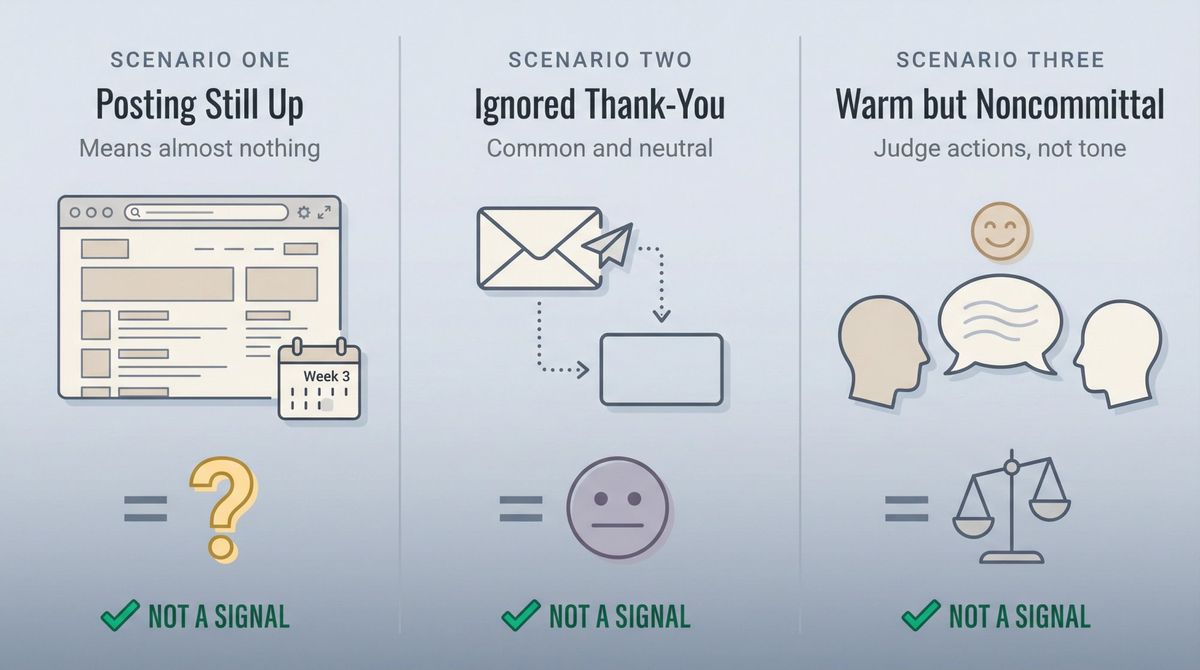
Job Posting Still Active After Interview
This means almost nothing. Many companies leave postings up for weeks or even months, even after they've filled roles. It's a hedge: "If this person doesn't work out, we still have other leads."
Some companies are just disorganized and don't remove postings promptly.
Don't stress over this. It's not a signal one way or the other.
No Response to Your Thank-You Email
Some hiring managers reply to thank-you notes. Some don't. Some companies have policies against replying to avoid leading candidates on.
A lack of reply means nothing unless combined with other strong negative signals.
Craft a polished thank-you note with help from AIApply's AI Email Generator to ensure your follow-up is professional and memorable.
Interviewer Was Friendly But Noncommittal
Interviewers are trained to be polite and noncommittal. A warm conversation doesn't mean you got the job. A cold conversation doesn't mean you didn't.
Judge based on their actions (did they follow up? did they move you to the next round?) not their tone.
What to Do After the Interview
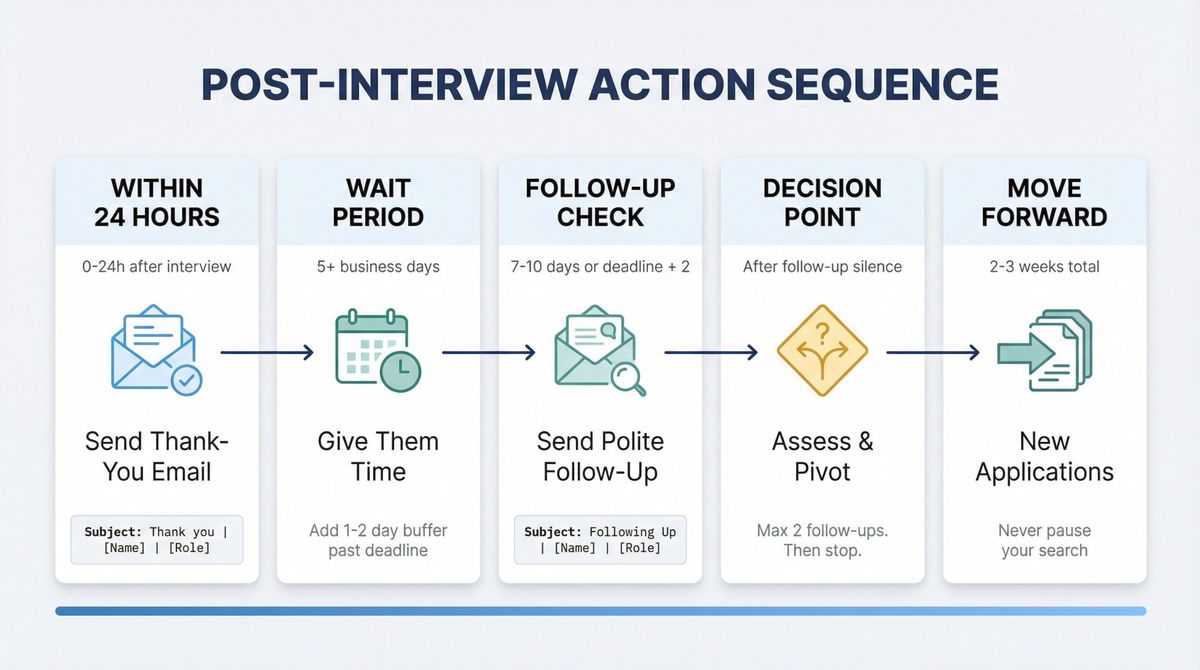
Here's how to manage the post-interview phase without spiraling.
Within 24 hours:
Send a thank-you email. Keep it short, specific, and professional.
Another source suggests within 24 to 48 hours.
Email template:
Subject: Thank you | [Your Name] | [Role Title] Interview Hi [Interviewer Name], Thank you for taking the time to speak with me about the [Role Title] position. I appreciated learning more about [specific detail they mentioned, e.g., the team's approach to X or the company's focus on Y]. I'm very interested in the opportunity and believe my experience in [specific relevant skill or project] aligns well with what you're looking for. Please let me know if you need any additional information from me. I look forward to hearing about next steps. Best, [Your Name]
Don't:
- Grovel or oversell.
- Write a novel.
- Ask for a decision timeline if they already gave you one.
Make your thank-you note count with AIApply's AI Email Generator, which helps you craft personalized, professional follow-ups in seconds.
Timing your follow-up:
Give interviewers at least five business days before following up, and consider adding a 1 to 2 business day buffer beyond any timeline they gave you.
If they gave you a timeline: Wait until that date passes, plus 1 to 2 business days, then send a polite check-in.
If they didn't give you a timeline: Wait 7 to 10 business days, then send one follow-up.
Your follow-up email (if they went silent):
Subject: Following Up | [Your Name] | [Role Title] Hi [Interviewer Name], I wanted to follow up on my interview for the [Role Title] position. I'm still very interested in the opportunity and would appreciate any update on where things stand. If you need any additional information from me, I'm happy to provide it. Thanks again for your time. Best, [Your Name]
If you get no reply to this, stop. One follow-up is professional. Two is acceptable if there was a timeline miscommunication. Three is overkill.
Ensure your resume is in top shape for future opportunities with AIApply's AI Resume Editor and Resume Scanner.
How long should you wait before moving on?
If they gave you a timeline: Wait until 3 to 5 business days past that date. If you haven't heard anything, treat it as a soft "no" and keep applying elsewhere.
If they didn't give you a timeline: Two weeks is reasonable. After that, assume it's not happening unless you hear otherwise.
Don't put your job search on hold.
This is the single biggest mistake candidates make: fixating on one role and stopping all other applications.
Keep applying. Keep interviewing. Keep networking. The best way to stop obsessing over one interview is to have three more lined up.
Use AIApply's Auto Apply to maintain momentum without burning out on manual applications.
Why Employer Ghosting Isn't About You
iHire surveyed 1,024 candidates in October 2025 and found 53% said they had been ghosted by an employer during their job search.
This is not about you. Companies ghost candidates because of broken systems, not your qualifications.
Why ghosting happens:
• Hiring is deprioritized mid-process. A manager gets pulled into a fire drill, and candidates fall off the radar.
• Approval processes stall. HR is waiting on a VP who's waiting on finance who's waiting on another department.
• They went with someone else but didn't close the loop. Many companies only notify the person they're hiring, not the people they're rejecting.
• They don't have standardized rejection workflows. Some companies send automated "thanks, but no" emails. Many don't.
• Recruiters are overwhelmed. If one recruiter is managing 20 open roles, candidate updates slip through the cracks.
None of this is acceptable. But it's reality.
If you're being ghosted, it's almost always a systems failure on their end, not a reflection of your qualifications. Your job is to manage your emotional reaction to that failure and keep moving forward strategically.
While you wait, strengthen your profile with tools like AIApply's Resume Summary Generator and explore career-specific resume examples for inspiration.
How to Stay Productive While Waiting
If you're stuck in post-interview limbo, here's how to stay productive instead of spiraling.
The problem with waiting:
- You're emotionally invested in one role.
- You stop applying to other jobs because "this one might come through."
- Days turn into weeks. Weeks turn into silence. Now you're back to square one with a cold pipeline.
The fix:
Treat post-interview waiting periods as active job search time, not passive "let's see what happens" time.
Here's how AIApply fits into that (without turning your job search into chaos):
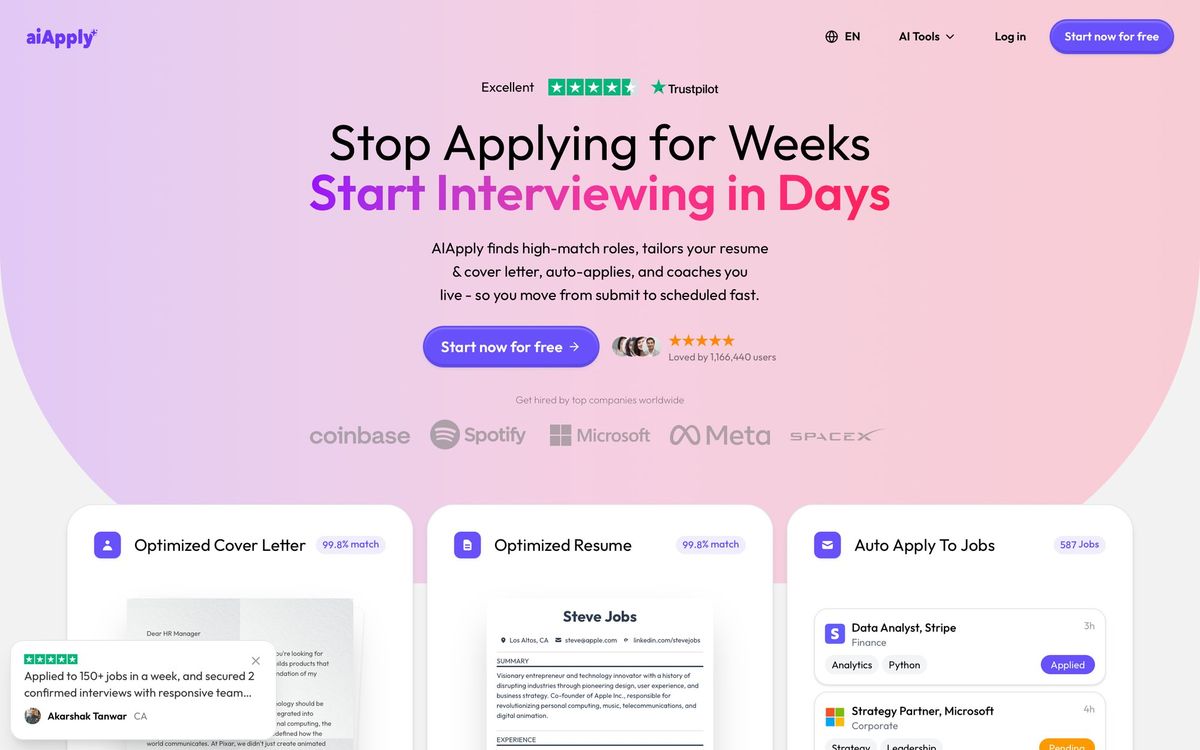
| Tool | How It Fits Post-Interview |
|---|---|
| Auto Apply | Keeps your pipeline full while you wait on one employer |
| AI Resume Builder + Resume Scanner | Quickly tailor and ATS-check your résumé for each role so you're not sending "almost-right" applications |
| Mock Interview + Interview Answer Buddy | Turn every "maybe" into higher performance in your next interview round |
If you want a broader strategy, AIApply's own guide on getting hired faster is a useful playbook to run while you're waiting.
AIApply also claims over 1,000,000+ job seekers trust the platform. Useful social proof if you want a tool-driven workflow while you search.
The reality? You need both human strategy and automation working together. AIApply handles the repetitive parts (resume optimization, application volume, interview prep) so you can focus on the strategic parts (networking, skill-building, interview performance).
Explore additional resources like cover letter templates for your field and salary insights by role to stay informed and competitive.
FAQ: Common Post-Interview Questions
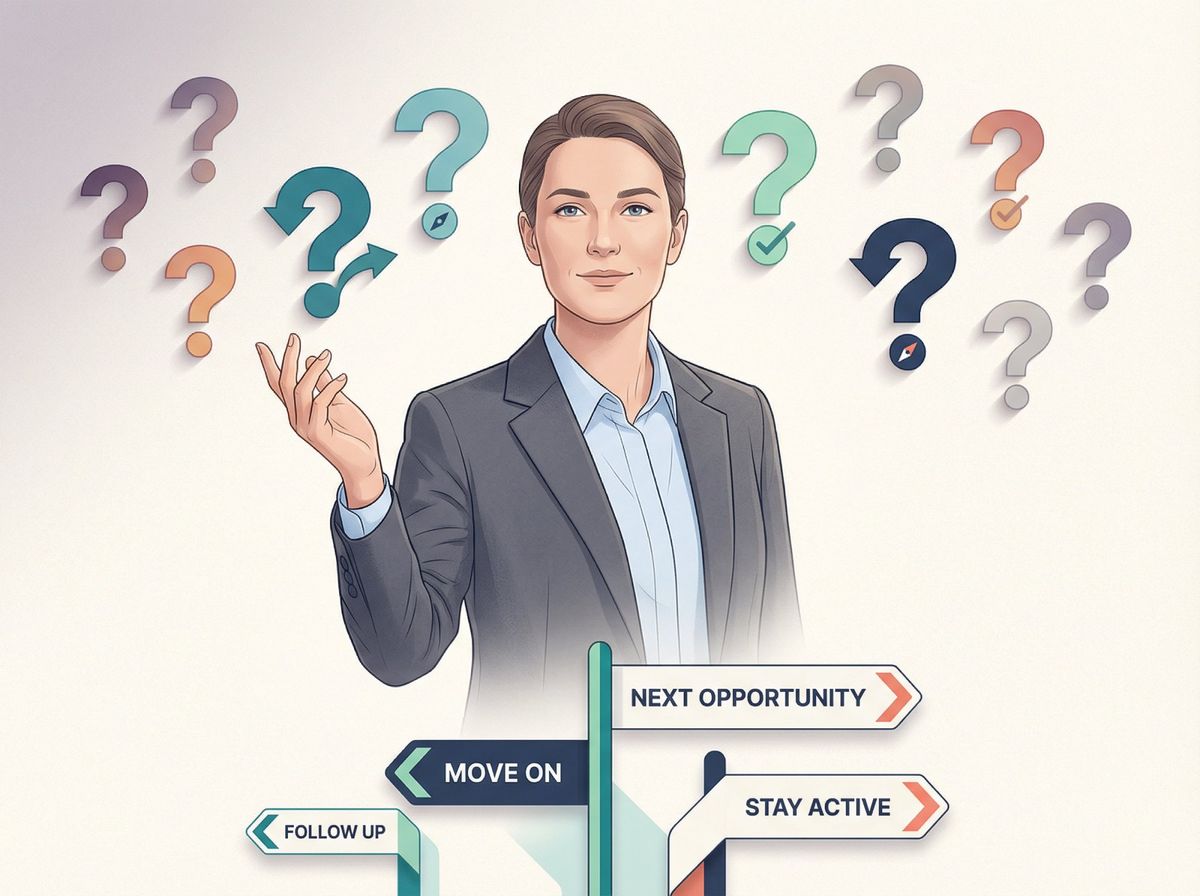
Q: Should I follow up if they gave me a timeline and it passed?
Yes. After the timeline passes, plus a small buffer (1 to 2 business days is reasonable). Frame your follow-up as: "I'm still very interested. If there's any update, I'd appreciate hearing it."
Then stop. One follow-up is professional. Two is the max unless they explicitly asked you to check back again.
After that, act as though it's a "no," but remain polite. Employers sometimes come back later.
Q: Is it okay to follow up twice?
Yes, but only under specific conditions. One follow-up is standard. Two is acceptable if there was a timeline miscommunication or they asked you to check back. Three is overkill.
Q: What if I bombed one question but did well otherwise?
It depends. If it was a critical technical question or a core competency for the role, it might have disqualified you. If it was a curveball behavioral question, they'll likely weight the overall impression more heavily.
Don't fixate on it. Learn from it, practice with AIApply's Interview Answer Buddy, and move forward.
Q: How do I know if they're ghosting me or just slow?
You don't, with certainty. But here's a rough guideline:
| Timeframe | What It Likely Means |
|---|---|
| 1 week of silence | Normal |
| 2 weeks | Borderline. Send one check-in. |
| 3+ weeks with no reply | Ghosting. Move on. |
Q: They said "we'll let you know either way," but I never heard back. What happened?
This is unfortunately common. 11% of candidates report being ghosted after multiple rounds.
Follow the ghosting response checklist above, then redirect your energy to new opportunities. Use tools like AIApply's Auto Apply to keep your pipeline active while you process the disappointment.
Q: Should I keep applying to other roles at the same company?
Yes, if the roles are genuinely different and you're qualified. Don't spam their ATS, but if there's a better fit elsewhere in the org, apply.
Some companies flag serial applicants as "not a culture fit." Use judgment.
Q: Can I ask for feedback if I get rejected?
You can ask. Most won't respond, because feedback opens them up to legal risk or candidate arguments.
If you do ask, keep it short: "I'd appreciate any feedback you're able to share. It would help me improve for future interviews."
If they don't reply, don't push.
Q: Should I connect with the interviewer on LinkedIn after the interview?
Yes, but with nuance:
→ If the interview went well: Send a personalized connection request mentioning the interview. "Great speaking with you about the [Role] opportunity. Would love to stay connected."
→ If you're unsure: Wait a few days. If they accept quickly, that's a good sign. If they ignore it, they're probably not interested.
Don't use LinkedIn as a backdoor follow-up strategy. If they didn't reply to your email, a LinkedIn message won't change their mind.
Browse job-specific career guides to understand industry expectations and tailor your approach for future interviews.
Q: What if the job posting disappeared after my interview?
This could mean:
- They filled the role (possibly with someone else).
- They paused hiring.
- They're moving you forward and took it down temporarily.
What to do: Send one check-in if you haven't already. Frame it as: "I noticed the posting was removed. Wanted to confirm where things stand. Still very interested if the role is moving forward."
If you get no reply, treat it as a pass.
AIApply's Resume Builder and Auto Apply can help you maintain momentum without burning out on manual applications.
Q: They asked for references but haven't followed up. Is that bad?
Not necessarily. Reference checks can take time, especially if your references are slow to respond or the company has a formal HR process.
If it's been more than a week since they requested references and you've heard nothing, send a quick check-in: "Just wanted to confirm you received my reference contacts. Let me know if you need anything else."
If they've already spoken to your references and then went silent, that's a yellow flag (but not definitive). Companies often batch reference checks and then take time to deliberate.
Q: I had a great interview, but the role was reposted. Should I be worried?
Maybe. Repostings can mean:
① They're expanding the candidate pool (not great for you).
② The role scope changed and they need different skills.
③ It's an automated refresh (common on job boards).
What to do: Send one polite inquiry: "I saw the role was reposted and wanted to confirm I'm still under consideration. Happy to clarify anything if helpful."
If they don't reply, assume they're moving in a different direction.
Q: How do I recover mentally if I've been ghosted multiple times?
Ghosting is frustrating, but it's a systems failure, not a reflection of you.
Here's how to reset:
① Acknowledge the frustration. It's valid. The hiring process is often broken.
② Refocus on volume. The more interviews you land, the less any single ghosting stings.
③ Automate the repetitive parts. Use AIApply's Auto Apply to maintain pipeline momentum without manual burnout.
④ Skill up between interviews. Turn downtime into prep time with AIApply's Mock Interview tool.
Consider exploring international job opportunities or specialized fields to diversify your search.
Q: Should I reach out to the hiring manager directly if HR ghosted me?
Only if:
- You already have the hiring manager's contact info from the interview.
- You've tried one follow-up with HR and got no reply.
Frame it as: "Hi [Name], I've been trying to follow up with HR but haven't heard back. Wanted to check in directly to see if there's an update on the [Role] opportunity."
If they don't reply, stop there. You don't want to come across as aggressive or boundary-violating.
Q: Is a form rejection email better than being ghosted?
Yes, because at least you have closure. But many candidates find form rejections impersonal and frustrating, especially after multiple rounds.
If you get a form rejection after a final interview, you can reply with a polite request for feedback (but expect silence). Most companies don't engage post-rejection to avoid legal risk or candidate pushback.
Strengthen your candidacy for future roles with AIApply's AI Resume Checker and Resume Templates.
Control What You Can Control
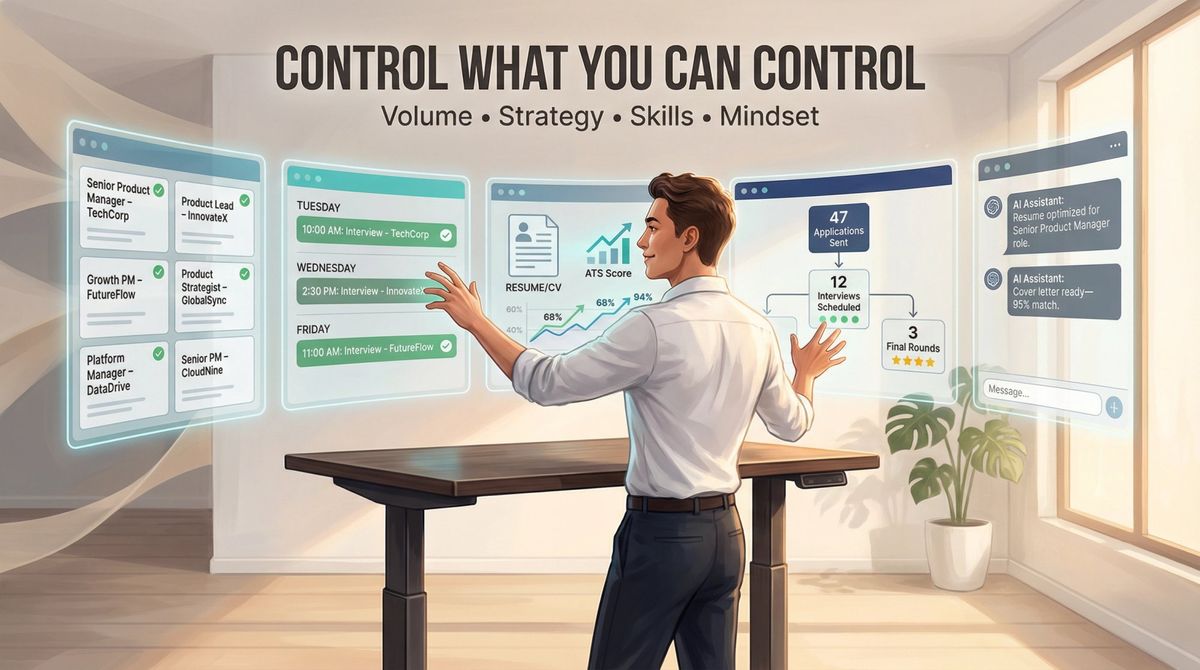
You can't force a company to hire you. You can't make them respond faster. You can't change their internal politics or budget freezes.
What you can control:
Your application volume. More interviews = less emotional investment in any single outcome.
Your follow-up strategy. One or two polite check-ins, then move on.
Your interview skills. Every "no" is data. What patterns are you seeing? What objections keep coming up? Fix those with AIApply's Interview Answer Buddy.
Your mental state. Job searching is hard. Don't let one rejection spiral into self-doubt.
If you need help maintaining momentum while you wait, AIApply provides the full stack: resume optimization, automated applications, and real-time interview coaching. 80% of users land interviews within the first month.
And if you're tired of waiting on employers who ghost you? Apply smarter, not harder. Let automation handle the repetitive work while you focus on the interviews that actually move forward.
Good luck out there.
Explore more resources at AIApply including AI-powered cover letters, resume translation services, and LinkedIn-based resume building to maximize your job search success.